
Evening Dress Codes, Decoded
White tie, black tie, cocktail and the ambiguous smart: what each invitation actually asks of you.
An invitation says a great deal in very few words, and the dress code is often the most cryptic line on the card. White tie, black tie, cocktail and the ever-elusive smart each carry a long tradition and a precise set of expectations. Here is what each one really asks of you, from the length of a hem to the scale of your jewellery, so that you arrive feeling exactly right.
White Tie, the Summit
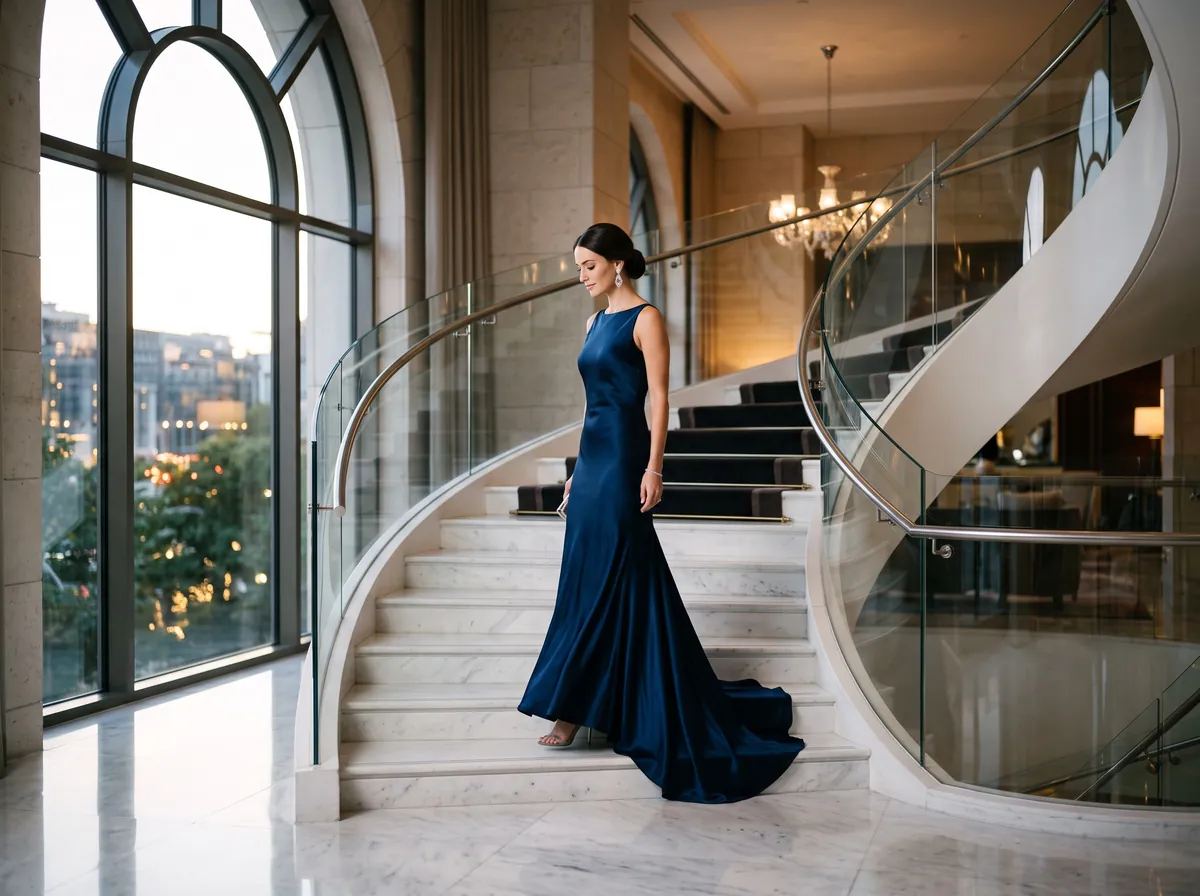
White tie is the most formal of all evening codes, reserved for state banquets, certain balls and the grandest ceremonial dinners. For women it means a floor-length evening gown, often in a rich fabric such as silk satin, taffeta or velvet. Long gloves are the traditional companion, reaching above the elbow and removed for dining. For men the code is just as exact: a black tailcoat, a white waistcoat and a white bow tie, which gives the code its name.
This is the moment for the most important jewellery you own. White tie invites the grandest pieces: a necklace of real presence, earrings that frame the face, a bracelet worn over the glove. Traditionally it is also the one occasion at which a tiara may appear. Restraint is not the point here. The evening is designed for splendour, and your jewellery is meant to answer it.
Black Tie and Its Shades
Black tie is the evening code you will meet most often. For men it means a dinner jacket, usually black or midnight blue, worn with a bow tie. For women the choice is wider: a floor-length gown, an elegant shorter dress or refined evening separates, such as a silk blouse with a long skirt or beautifully cut evening trousers. The right length depends on the occasion and the country. A winter ball leans long, while a summer dinner may welcome a dress at the knee.
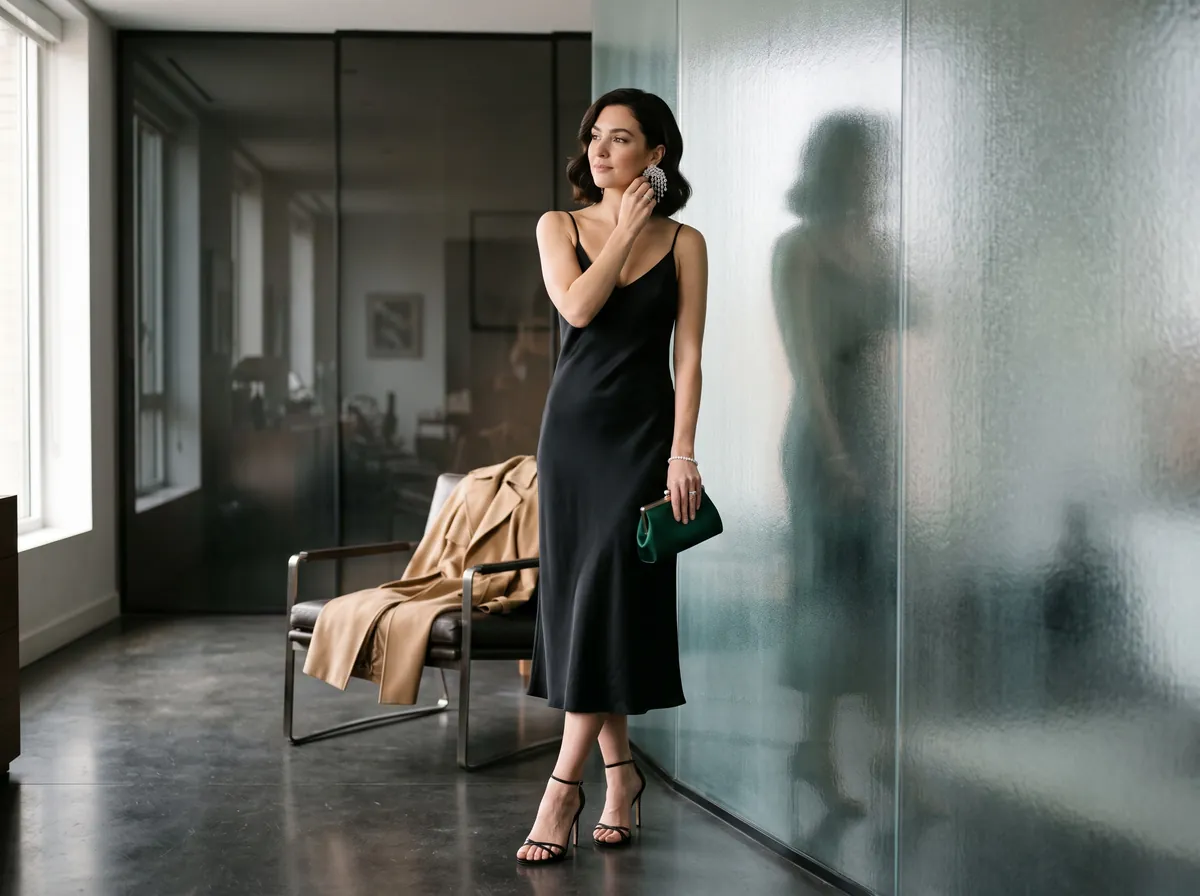
Black tie optional signals that the hosts will dress formally and would be pleased if you did too, without insisting on it. A dark suit for men and a cocktail dress or elegant separates for women are entirely correct. For jewellery, black tie is the natural home of statement earrings: pieces that move, catch the light and draw the eye upwards to the face, balanced by a quieter neckline.
The Cocktail Hour
Cocktail attire sits between the formality of the evening and the ease of the day. Think of hems from the knee to the midi, dresses in silk, crepe or lace, or an elegant suit worn with a silk camisole. The silhouette can be playful, the colour bolder than at a black tie dinner and the shoes a touch lighter.
Here, one bold piece of jewellery sets the tone. The cocktail ring was made for exactly this setting: a large, confident stone that turns with every gesture of the hand holding a glass. Let it be the star, and keep everything else quiet, with small earrings and perhaps a fine bracelet, nothing that competes for attention.
Smart, Lounge and the Daytime
Smart casual and lounge suit are the vaguest codes, and they cause the most uncertainty. Smart casual leaves real freedom: tailored trousers with a fine knit, a silk blouse with a good skirt, a soft blazer and polished shoes. Lounge suit sounds relaxed but asks for more. In British usage it means a tailored suit and tie for men, and for women a smart day dress or a well-cut suit, the kind of outfit that works at a lunch or an early evening reception.
Daytime formality follows its own customs. At formal weddings and at the races, men may be asked for morning dress, while women wear a smart dress or suit with a hat or headpiece. Hats belong to the day, and traditionally they are set aside once the evening begins. Jewellery stays lighter than after dark: pearls, delicate earrings, a fine watch.
Wearing It Well
When an invitation leaves you uncertain, ask the host. It is a courtesy rather than an imposition, and most hosts are glad to explain. If you cannot ask, dress slightly above the code rather than below it, because being a little more formal than others always feels more comfortable than the reverse.
Dress for the invitation, then let your jewellery speak for the evening.
Let the season guide your fabrics. Velvet, heavier satins and wool crepe suit winter evenings, while chiffon, light silks and organza breathe in summer. And think of your feet. Formal evenings are long, with standing receptions, dinners and dancing, so choose shoes you have already worn in at home, and consider a lower heel or a second pair tucked away for the final hours.
Dress codes are not meant to intimidate. They are a shared language that lets every guest contribute to the atmosphere of an evening. Once you understand the grammar, you are free to bring your own voice to it, through a colour, a cut or a single extraordinary jewel.
Questions, answered
Can I wear a shorter dress to a black tie event?
Often, yes. Depending on the occasion and the country, an elegant shorter dress in a rich fabric can be entirely correct at black tie. For a formal ball or a winter gala, a floor-length gown is the safer choice, and a short question to the host settles the matter gracefully.
What does black tie optional mean?
It means the hosts will wear black tie and welcome guests who do the same, but they do not require it. A dark suit for men and a cocktail dress or elegant separates for women are perfectly correct, while a long gown is just as welcome.
Which jewellery suits each dress code?
White tie invites the grandest pieces you own, from an important necklace to, traditionally, a tiara. Black tie is the natural setting for statement earrings. Cocktail attire calls for one bold piece, classically a cocktail ring, with everything else kept quiet so that it can shine.
Three terms
- White tie
- The most formal evening dress code, calling for floor-length gowns and, for men, a tailcoat with white waistcoat and bow tie.
- Dinner jacket
- The British term for the black or midnight blue evening jacket worn by men at black tie events.
- Lounge suit
- A British dress code meaning a tailored suit and tie for men and a smart dress or suit for women.
Image: AI generated illustration.