Choosing a Jeweller or Boutique You Can Trust
Twelve questions to ask before an important purchase, from certificates to aftercare.
An important piece of jewellery is rarely an impulse. It marks an engagement, an anniversary or a milestone, and it is meant to stay with you for decades. The jeweller you choose matters almost as much as the piece itself. These twelve questions, and the qualities worth listening for in the answers, will help you find a jeweller or boutique you can trust for years to come.
Twelve Questions
A good jeweller welcomes questions. Asking them is not a sign of mistrust but of care, and the way they are answered tells you a great deal. Take this list with you, or simply keep it in mind, before any important purchase:
- Is there a grading certificate for the diamond, and from which laboratory?
- Are any gemstone treatments disclosed in writing?
- What is the metal fineness, and is it stamped on the piece?
- Who made the piece, and where?
- Can it be resized or repaired later?
- Do you offer cleaning and regular checks?
- What is your return or exchange policy?
- Will the receipt describe the piece in detail?
- Can you provide a valuation for insurance?
- What warranty applies, and what does it cover?
- What is the timeline for a custom piece?
- Is there a trade-in or upgrade policy?
You will not need every answer for every piece. A fine chain asks fewer questions than a diamond solitaire or a commissioned ring. Yet the more significant the purchase, the more valuable it is to have the answers in writing, kept together with the certificate and the receipt.
The Feeling of a Good Boutique
Trust begins before a single question is asked. In a good boutique, you are given time. Someone invites you to sit, brings pieces out one or two at a time and lets you try them in front of a mirror and, if you wish, near a window in daylight. Nobody hurries you or tells you that an offer ends today.
Calm is a quality you can feel. The lighting is generous without being theatrical, the counter is uncluttered and the conversation is about you rather than about the sale. Being encouraged to think it over, to come back another day or to bring your partner is perhaps the clearest sign that you are in the right place.
Notice the small courtesies, too. Pieces are handled with care and laid on a soft tray, a loupe is offered without your asking, and prices are stated clearly. A good boutique is equally happy for you to leave with nothing more than a card and a few notes.
Expertise You Can Hear
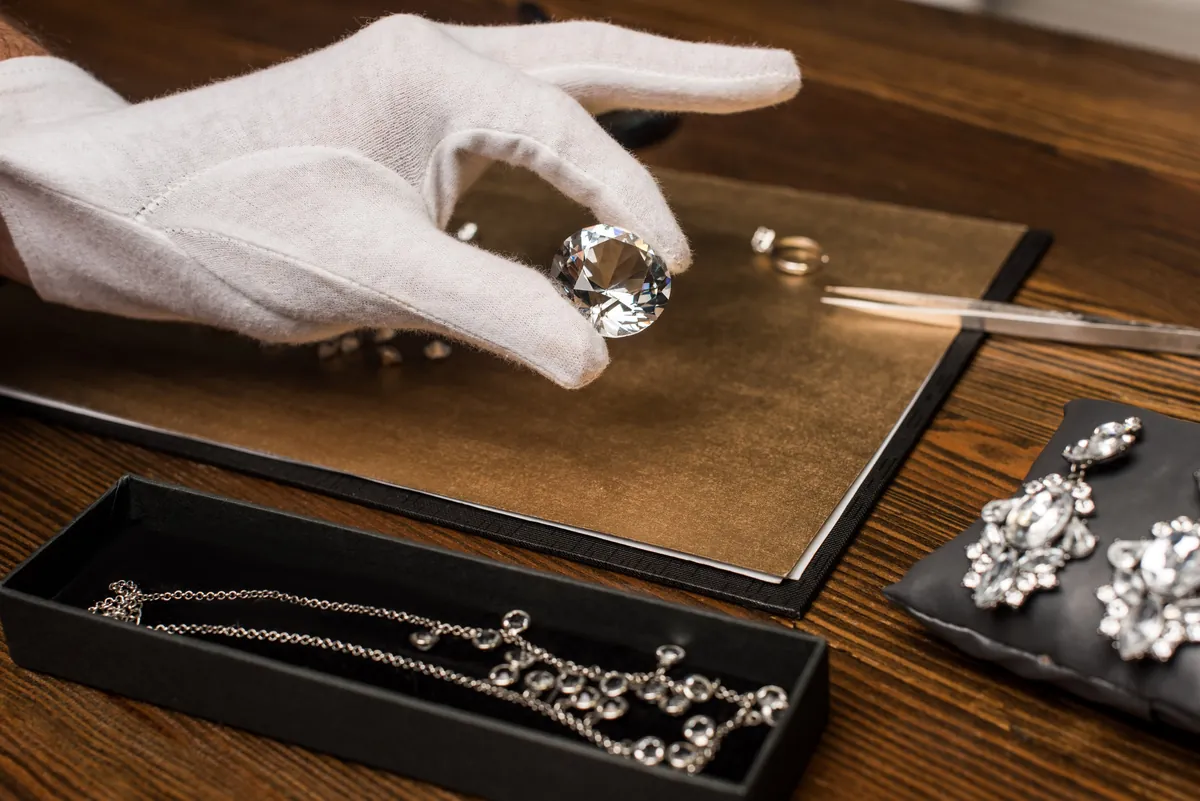
Real knowledge sounds specific. Ask about a diamond and a good jeweller will talk you through cut, colour, clarity and carat, hand you a loupe and show you where to look. Ask about an emerald and you will hear about its natural inclusions, the customary oiling and why a protective setting suits daily wear.
Expertise also means asking you questions in return: how active your hands are, which metals you usually wear, whether your skin is sensitive. It includes the confidence to say that an answer needs checking. A jeweller who promises to find out, and does, is worth more than one who always has a reply ready.
Listen, too, for how a jeweller talks about metal and settings. A thoughtful adviser explains why 18 carat gold suits a ring worn every day, why a bezel protects a stone on busy hands, and how a future wedding band will sit beside an engagement ring.
Aftercare Is the Relationship
The purchase is only the beginning. Claws need checking, a pearl strand needs restringing, a white gold band needs fresh rhodium plating every so often, and fingers change size over the years. A jeweller who offers cleaning, checks and repairs is offering a long relationship, not a single transaction.
Trust is not sold across a counter. It grows, one honest answer at a time.
Many jewellers keep a record of what you bought, with photographs and measurements, so that a lost earring can be matched or a ring resized precisely. Ask whether such records are kept, and bring your pieces in once a year for a professional look. Small, regular attention is what keeps fine jewellery fine.
Independent or Grand House
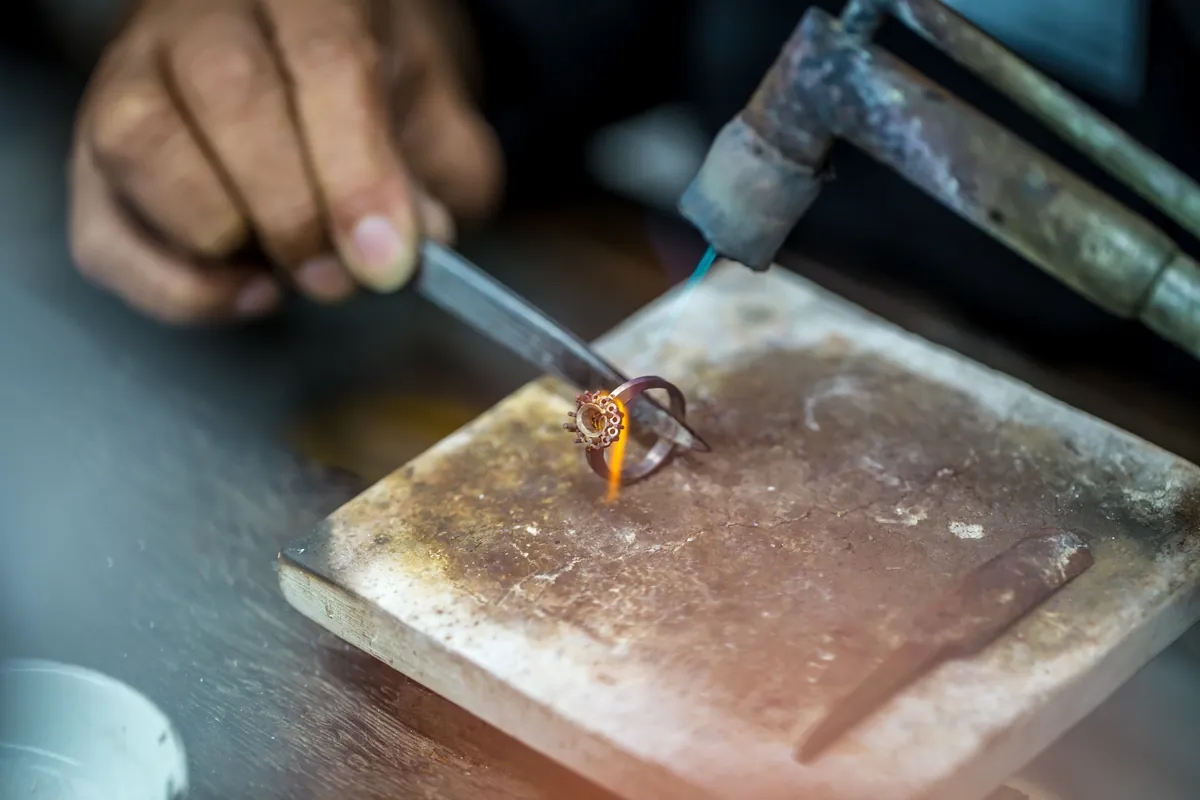
Both have real strengths. An independent jeweller often makes pieces at a bench in the back room, can adapt a design or create one from scratch, and comes to know clients personally over many years. The person who shows you the ring may well be the person who set its stone.
A large house brings heritage, a recognisable design language and consistency from one boutique to the next. Many offer international aftercare, so that a piece bought in one city can be serviced in another, and keep archives that document designs across generations. The right choice depends on what you value most: intimacy and flexibility, or continuity and reach. Many people, in time, come to enjoy both: a grand house for a signature design, an independent studio for a commission that is entirely their own.
Whichever you choose, the qualities to look for are the same: time, calm, clear answers and a promise to look after the piece long after it leaves the counter. Find those, and you will have found far more than a place to buy jewellery.
Questions, answered
Why does a diamond grading certificate matter?
A grading certificate from an independent gemmological laboratory records the stone's measurements and its cut, colour, clarity and carat weight. It gives you a neutral description of what you are buying, helps with insurance and makes it easier to identify the diamond if it ever needs to be recovered or reset.
Should gemstone treatments worry me?
Not at all, as long as they are disclosed. Many coloured gemstones are routinely treated, for example heating for sapphires and rubies or oiling for emeralds. A trustworthy jeweller tells you about any treatment in writing, because it affects care and value.
What aftercare should a good jeweller offer?
Look for cleaning and regular checks of claws and clasps, resizing, repairs, restringing for pearls and renewed rhodium plating for white gold. Many jewellers also keep records of your pieces, which makes matching, repairs and insurance valuations much simpler over the years.
Three terms
- Grading certificate
- A report from an independent laboratory that describes a gemstone's measurements, weight and quality characteristics.
- Valuation
- A written assessment of a piece's replacement value, usually prepared for insurance purposes.
- Fineness
- The proportion of pure precious metal in an alloy, expressed in parts per thousand and stamped on the piece.
Photo: licensed stock photography.