The People Behind Independent Jewellery and Fashion Labels
Small studios, big ideas: what drives independent designers and how to discover their work.
Behind every independent label stands a person, or a small circle of people, who decided to make things their own way. Their studios are often tiny, their collections short and their ideas travel far. This portrait of the independent world introduces the characters you are likely to meet, explains how they work and shows you where, and how, to discover them.
Four Studios, Four Stories
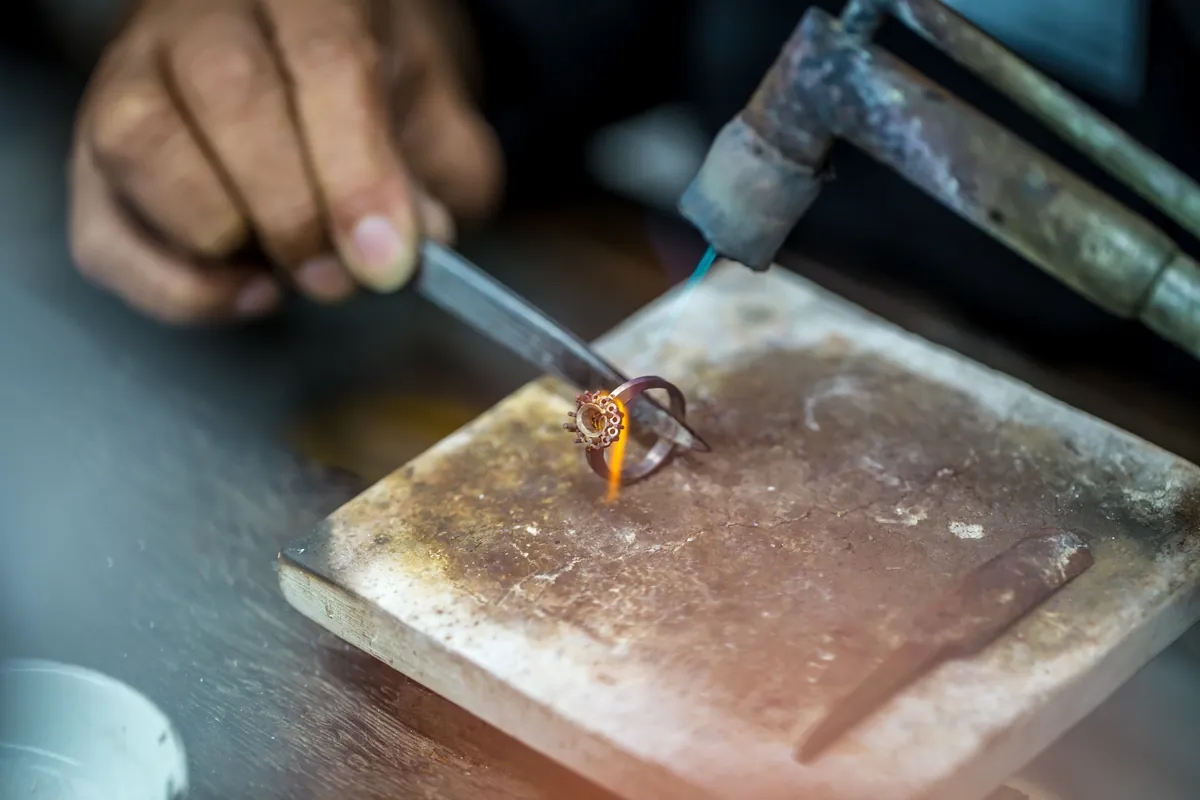
Picture the goldsmith who spent years at a bench behind closed doors and one day opened the workshop to the street. The bench is still there, now behind a glass counter, and clients watch a ring being filed while they talk about their own. The studio boutique is part shop, part workshop and part sitting room, and that is precisely its charm.
Then there is the designer who works with surplus fabrics, the beautiful lengths left over when larger productions end. Because each roll is finite, every design is made in a small run, sometimes only a handful of pieces, and when the cloth is gone, the style is gone too. Scarcity here is not a device but a natural rhythm.
The family atelier in its third generation keeps patterns, tools and habits that have passed from grandparent to grandchild, while the youngest member brings new shapes and a fresh eye. And there is the couple who run a label from one room with a window onto the street: one designs, the other makes, and both answer the door when a passer-by stops to look.
What They Share
Different as they are, these studios have much in common. They work in small batches, which means fewer pieces and more attention to each one. They know many of their clients by name, often by ring size or shoulder width too, and that direct relationship shapes the next collection as much as any trend.
They also stand behind what they make. Repairs and alterations are part of the service rather than an afterthought, so a clasp can be renewed, a hem let down or a ring resized years later. Most are open about materials and making: where the metal and stones come from, which mill wove the cloth, how many hours a piece takes and why it costs what it does.
Many also rely on a small circle of fellow specialists: an engraver a few streets away, a stone setter who shares the workshop, a weaver or a pattern cutter who has known the founder for years. Buying from one independent studio often supports a whole network of skilled hands.
Made With You in Mind
Independent makers rarely keep large stock. Many work made to order: you choose a design, a size, a metal or a fabric, and the piece is created for you over the following weeks. Others release limited editions, small runs that are never repeated, which gives each piece a quiet sense of rarity. The waiting becomes part of the pleasure: you may be sent a sketch, asked to choose between two stones or invited for a fitting, and the finished piece arrives feeling as if it was made in conversation with you.
Trunk shows bring a collection to a boutique, a hotel suite or a private home for a day or two, and they are a lovely way to meet the designer in person and try everything at leisure. Open studio days go one step further, inviting you behind the scenes to see benches, sewing machines, sketches and work in progress.
The smaller the studio, the shorter the distance between an idea and your hands.
Where to Find Them
Craft and design fairs are the classic meeting place, gathering many makers under one roof. Design weeks in cities around the world open studios and showrooms that are usually closed to the public, while concept stores place independent labels alongside books, ceramics and scent. Personal recommendations remain the most reliable route of all, and social media lets you follow a studio's work long before you visit.
When you meet a maker, a few gentle questions reveal a great deal. Most enjoy answering them, and the replies tell you as much about the person as about the piece:
- Who makes each piece, and where is the workshop?
- Which materials do you use, and where do they come from?
- Can a design be made in my size or in another colour?
- How long does a made-to-order piece take?
- Do you offer repairs, resizing or alterations later?
- How should I care for the piece at home?
A Story to Wear
Choosing independent work is, at heart, a choice for craft and individuality. A ring made at a small bench or a jacket cut from a rare length of cloth carries the marks of a particular hand and a particular moment. It arrives with a story you can tell, and with a maker you can return to.
There is a wider reward, too. Each commission keeps a skill in daily use, whether hand engraving, pattern cutting or stone setting, and helps young makers learn beside experienced ones. What you wear becomes part of the way a craft continues.
These are the people we love to meet: here at valcani we regularly portray designers, jewellers, goldsmiths and boutiques, so that you can come to know the hands behind the work before you ever knock on their door.
Questions, answered
What does made to order mean for an independent label?
It means the piece is only produced once you have ordered it, usually from an existing design with your choice of size, material or finish. You wait a few weeks, and in return you receive something made specifically for you, often with the chance to speak with its maker.
What is a trunk show?
A trunk show is a short event at which a designer or maker presents a collection directly to clients, often in a boutique, a hotel suite or a private home. It is a relaxed way to see a full range, try pieces on and place orders in person.
How can I discover independent designers near me?
Look for craft and design fairs, design weeks and open studio days in your region, and visit concept stores that showcase small labels. Ask friends whose style you admire where their favourite pieces come from, and follow studios on social media to see their work develop.
Three terms
- Studio boutique
- A shop that is also the maker's workshop, where pieces are designed, made and sold in one place.
- Limited edition
- A small run of a design that is made only once and not repeated.
- Open studio day
- A day on which a maker invites visitors into the workshop to see tools, materials and work in progress.
Photo: licensed stock photography.