How a Designer Collection Comes to Life
From the first moodboard to the runway and the boutique rail: the long journey of a fashion collection.
A coat on a boutique rail looks effortless, as if it simply arrived there. In truth it has travelled a long road: from a wall of pinned images to the halls of a trade fair, from the cutting table to the fitting room, and onto a runway lit for a few concentrated minutes. Follow that journey once and you will read every collection, and every garment, with new eyes.
A Calendar Set Ahead
Fashion lives several months in the future. The two main collections, Spring/Summer and Autumn/Winter, are shown long before their season arrives, so that buyers can order, ateliers and factories can produce and boutiques can receive the clothes in good time. Autumn coats walk the runway while the previous winter is still outside the window.
Between the main shows sit the pre-collections: resort, also called cruise, and pre-fall. They tend to be quieter and eminently wearable, and because they reach the shops early, they often hang in boutiques longer than any other delivery.
The main shows gather in four cities, known as the big four: New York, London, Milan and Paris. Paris is also the home of haute couture, which is not a loose description but a protected designation, overseen by the Paris federation of couture and fashion. Only houses that meet its demanding criteria for made-to-order work and atelier craft may use the name.
From Moodboard to Cloth
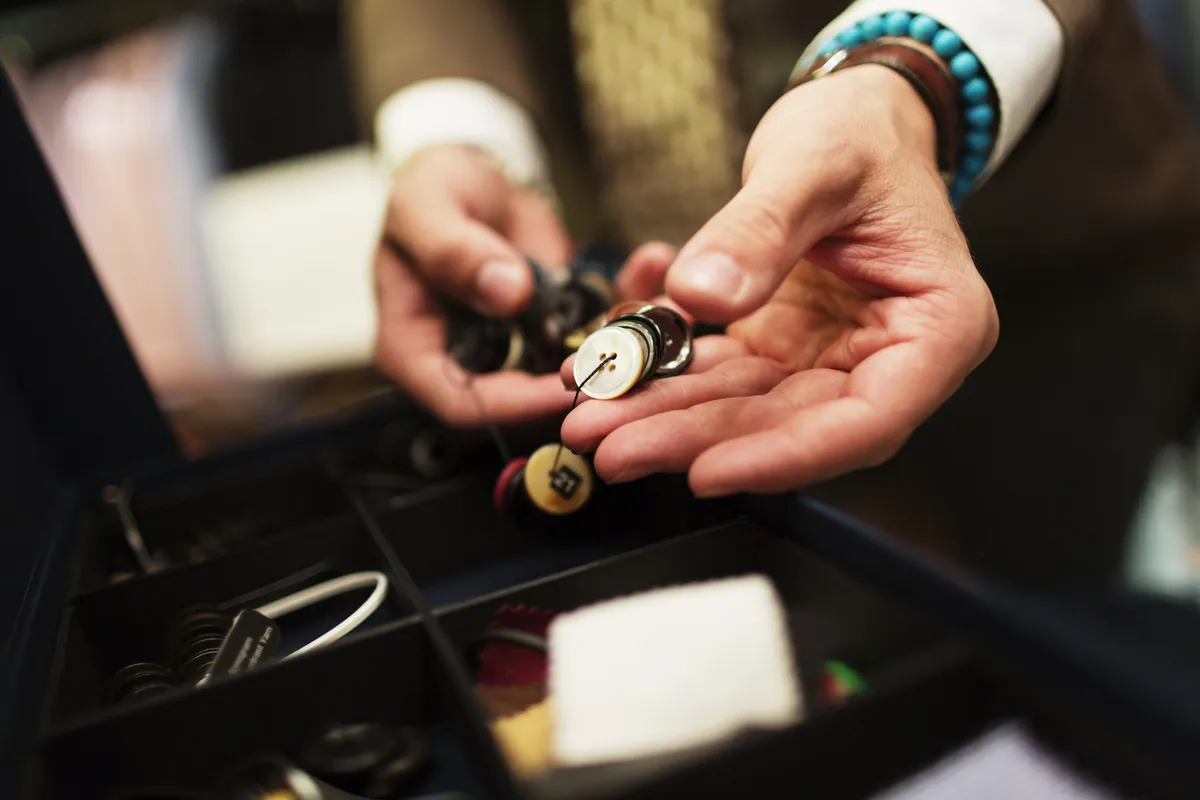
Every collection begins with looking. The designer and the studio team gather references: an old photograph, a painting, a film still, a fragment of embroidery, a colour glimpsed on a journey. Pinned together, they become the moodboard, a visual argument for the season that guides everyone who works on the collection, from the pattern cutter to the person who chooses the buttons.
Fabric comes next, and it often shapes the clothes more than any sketch. Teams visit trade fairs such as Première Vision in Paris, where mills present new weaves, prints and finishes. They touch, compare and order swatches, then test how each cloth falls, folds and takes colour before they commit.
Sketches translate the mood into silhouettes. Some are loose and expressive, others precise technical drawings that show seams, pockets and proportions and become the starting point for a pattern.
The Toile and the Fitting
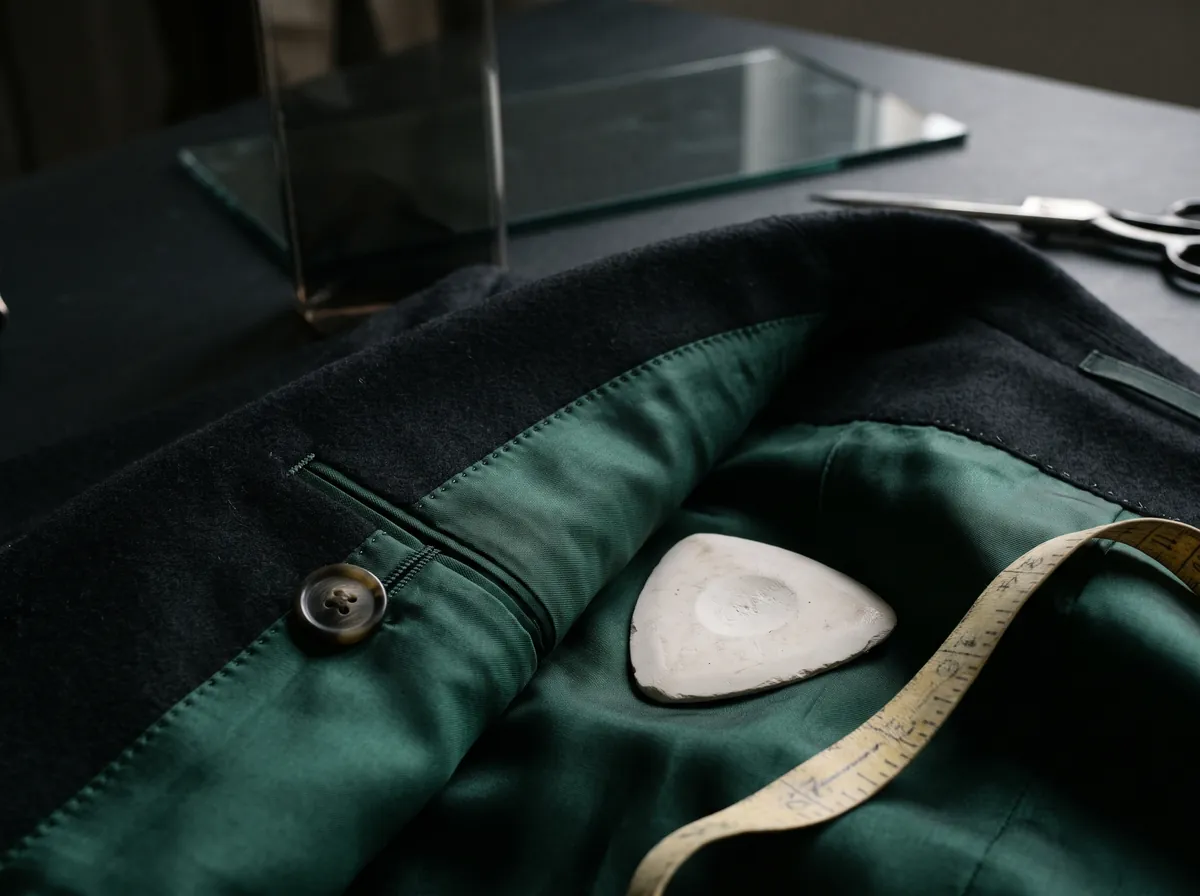
Before any precious fabric is cut, the pattern is tested as a toile, a first version of the garment made in plain cotton calico. The toile is where ideas meet the body: a shoulder is lifted, a dart moved, a hem lowered by a few millimetres. Pattern cutters mark each correction directly on the cloth with pen and pins.
Fittings take place on a fit model, a person whose measurements match the sample size of the house, because a garment has to move, sit and breathe rather than simply stand on a mannequin. A single piece may pass through several toiles and fittings before it feels right.
Then comes sampling. The first versions are made in the real fabrics, with the real trims and finishes, and together they form the sample collection that will appear on the runway and in the showroom.
Runway, Showroom, Rail
The show is the public moment: music, light and movement that tell the story of the season in a single sequence. Some houses prefer an intimate presentation instead, where guests can walk among the clothes and look at the details closely.
The commercial heart lies in the showroom. Here buyers from boutiques and department stores see the pieces up close, feel the fabrics and place their orders. Those orders decide what goes into production and in what quantity, and after weeks of making, finishing and checking, the clothes are delivered to the shops in time for their season.
Every seam on the rail was once a question asked in a fitting room.
What It Means for You
Knowing the journey changes the way you shop. Because production follows orders, the most distinctive pieces are often made in modest numbers, and they tend to sell early in the season. If a piece speaks to you when it first arrives, it may not wait for you.
It also teaches you to read a collection. Look past the styling of the show to the clothes beneath it:
- the opening look, which often states the theme
- the colour story, from the first exit to the last
- fabrics that return in different forms
- the silhouette that repeats beneath the styling
- the difference between show pieces and clothes made to be worn
- the details: buttons, linings and finishing
Seen this way, a jacket is more than its label. It holds the moodboard, the swatch chosen at a trade fair, the toile pinned and pinned again, the fit model who lifted her arms once more so that the sleeve would move with you. When you feel the weight of the cloth and the neatness of a seam, you are touching the end of a journey that began many months before.
Questions, answered
What is the difference between ready-to-wear and haute couture?
Ready-to-wear is produced in standard sizes and sold in boutiques. Haute couture is made to order for private clients, with fittings and extensive handwork. In France the term is a protected designation overseen by the Paris federation of couture and fashion, so only qualifying houses may use it.
What is a toile?
A toile is a trial version of a garment, usually made in plain cotton calico. It lets the designer and the pattern cutter test the cut, balance and proportions on a fit model and mark corrections before any of the final fabric is cut.
Why do pre-collections stay in the shops so long?
Resort and pre-fall collections are delivered early, between the main seasons, and they are usually versatile, wearable clothes. Because they arrive before the main collections and suit a broad range of weather and occasions, they often stay on the rail longer than any other delivery.
Three terms
- Moodboard
- A collage of images, colours and materials that sets out the visual direction of a collection.
- Toile
- A trial garment, usually in cotton calico, used to test and correct the cut before the final fabric is touched.
- Fit model
- A person whose measurements match the sample size of a house, on whom garments are tried and adjusted.
Photo: licensed stock photography.